


Word Age: The Grand Expedition
4.211.00 Reviews
App Specs
- Version
- 1.2.2
- Updated On
- License
- Free
- Downloads
- 10,000+
- Developer
- Night Owl Productions
- Categories
- Word
- Platform
- Android
Screenshots
 Analysis by AppCompare
Word Age: The Grand Expedition immediately presents itself as a word game with a clear sense of place rather than a bare collection of puzzles. I found the archaeological theme gives each session a little more personality than the usual letter-grid routine, while the core appeal remains easy to understand: solve word challenges, keep your mind active, and move through an adventure-flavored setting at your own pace. It is free to start, rated for Everyone, and developed by Night Owl Productions.
That approachable design makes it easy to recommend for short breaks. I can imagine opening it while waiting for an appointment, taking a few turns during a quiet commute, or using it as a calmer alternative to fast arcade games in the evening. The important question is whether the expedition theme genuinely supports the word puzzles or merely decorates them. In my experience, the setting does help establish a mood, although players who want a very deep story or highly competitive systems may find the experience deliberately modest.
A word adventure with a calm, readable identity
My first impression was that Word Age understands the value of a focused premise. It does not need to explain a complicated control scheme before becoming playable. The idea of combining word puzzles with archaeological discovery is familiar enough to feel welcoming, but specific enough to give the game a recognizable identity. That balance matters in this category, where many alternatives can blur together once the first screen disappears.
The game works best when treated as a compact mental activity rather than a long-form role-playing adventure. I would not install it expecting character development, elaborate exploration, or a large narrative campaign. Its strength is the repeated satisfaction of looking at a puzzle, testing possible words, and finding the answer that finally fits. The expedition framing adds motivation around that process without taking control away from the wordplay.
One useful habit is to approach each session with a time limit of your own. Instead of trying to clear everything in one sitting, I found it more enjoyable to play a small group of puzzles and stop while the experience still felt fresh. This suits the game’s accessible presentation and prevents the central mechanic from becoming tiring. It also makes the app a practical choice for people who want a light daily brain exercise rather than a game that demands a full evening.
The public response is encouraging but still relatively small: the game has a 4.2 average from around thirty ratings, with roughly ten written reviews and more than ten thousand installs. I read that as early evidence of interest, not as a definitive verdict. The numbers suggest that Word Age has found an audience, while the limited scale means individual expectations can still vary widely. For me, its appeal comes more from the coherent theme and relaxed puzzle format than from the size of its community.
How the archaeological setting changes the feel
Archaeology is a useful theme for word puzzles because it naturally suggests discovery. A correct answer can feel like another piece of a larger expedition, even when the immediate action is simply arranging or identifying letters. That emotional connection is subtle, but it gives the routine a reason to continue. I found myself more willing to attempt one more challenge because the game felt like a sequence of findings rather than an endless list of unrelated exercises.
Worth Reading Before You Choose

Flipboard Shows What News Apps Must Do Beyond the Feed

Switching to Android Auto Means Rethinking Your Driving Routine

Google Calendar Makes a Crowded Week Easier to Manage

Ludo King Makes the Most of the Minutes Between Plans

Baby Panda World Brings Quick Play to Modern Phones, but Its Game Library Feels Busy

ESPN’s Live Game View Makes Following Close Games Easier
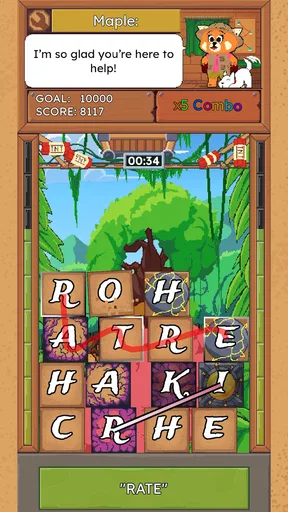
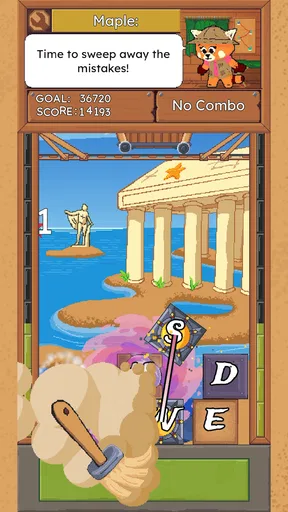
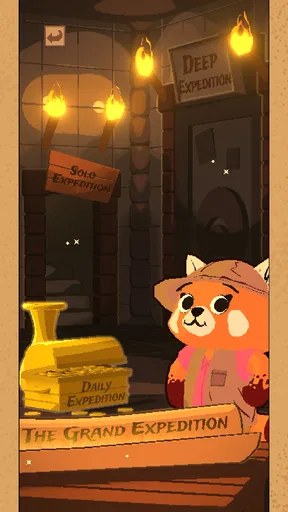
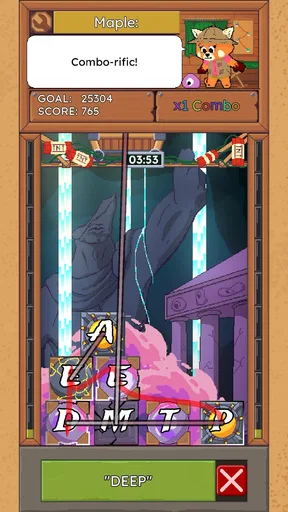
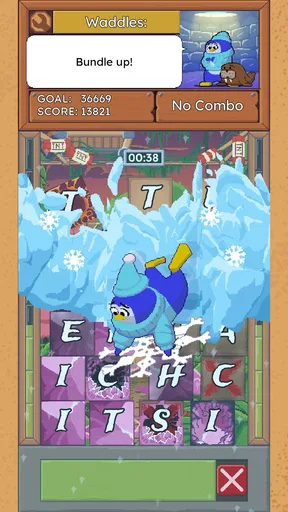
The art direction is most effective when it supports clarity. Word games live or die by readable letters, obvious interaction points, and a layout that lets the player concentrate. A busy ancient setting would be a poor trade if it made the puzzle harder to parse. Here, the expedition concept works best as a frame around the playable area: it creates atmosphere without needing to compete with the words themselves.
I also appreciate that the theme makes the game easier to describe to another person. Saying that it is a word-puzzle adventure with an archaeological mood communicates more than simply calling it another brain-training app. That does not make every puzzle automatically better, but it gives the experience a stronger memory hook. If you return after a few days away, the setting helps you remember why you installed it.
A practical tip is to judge the game by how well the visual language supports longer sessions, not just the first launch. Themed interfaces can be attractive for a few minutes and then become distracting if every screen is overloaded with decoration. I would pay attention to whether the letters remain comfortable to read on your device and whether the contrast works for you. In a word game, visual comfort is not a minor detail; it directly affects how fairly you can solve a challenge.
A world built through suggestion rather than heavy storytelling
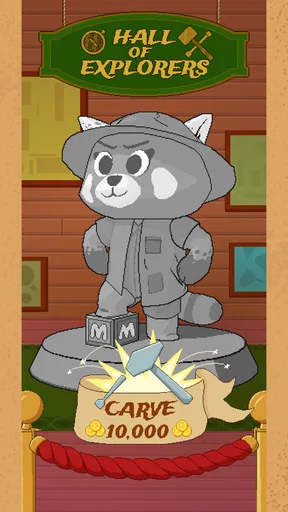
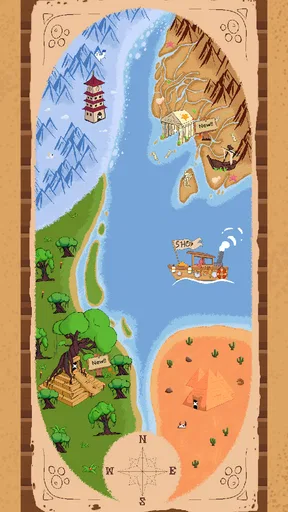
Word Age appears more interested in creating an expedition mood than in delivering a detailed archaeological simulation. That is a sensible choice for this format. The game can suggest ruins, discovery, and travel while keeping the player’s attention on language. I prefer that restraint to a story layer that repeatedly interrupts a puzzle session with long dialogue or complicated objectives.
This also explains who will enjoy it most. Players who like themed casual games, vocabulary challenges, and gentle progression should feel at home. Someone looking for historical accuracy, detailed artifact management, or a dramatic adventure plot should choose a different kind of game. The archaeological setting is a mood-setting device and a source of identity, not a promise of a full museum or expedition-management system.
The best way to use that distinction is to set the right expectation before downloading. Think of the game as a word puzzle first and an adventure second. Once I approached it that way, the theme felt like a genuine enhancement instead of something I expected to carry the entire experience. That expectation makes the quieter pacing easier to appreciate.
Sound, silence, and the pace of solving
Sound plays an important role in whether a puzzle game feels relaxing or restless. In an archaeological adventure, I expect the audio atmosphere to reinforce concentration rather than push me toward constant urgency. Word Age’s overall identity benefits from that kind of measured rhythm. The setting suggests patience: examine the clue, consider the letters, make a choice, and continue the journey.
I would use headphones when I wanted the most immersive version of the experience, but I also see the game working well with audio lowered or muted. That flexibility is valuable for a title designed for everyday use. A puzzle game that depends too heavily on loud effects can become awkward in public spaces. A quieter presentation lets you fit a short session into more situations without making the app feel incomplete.
The rhythm of the game is also shaped by how much mental pressure each puzzle creates. A good word challenge gives me enough resistance to feel involved without making every answer a frustrating search through obscure vocabulary. The archaeological framing supports a thoughtful pace, but it cannot solve the balance problem by itself. When a puzzle feels fair, the mood and mechanic reinforce each other; when it feels unclear, the atmosphere becomes less important because I am focused on irritation.
One of my more useful recommendations is to avoid treating every difficult puzzle as a test of intelligence. Word games can be affected by vocabulary, spelling habits, and the way a player interprets a clue. If you get stuck, take a short break rather than repeatedly forcing the same guesses. Returning with a fresh view often preserves the calm tone better than turning a casual session into a battle of endurance.
Where the mechanics fit the theme
The central mechanical fit is straightforward: word solving naturally resembles decoding clues from an ancient site. That connection is not complicated, but it is believable. The player is not merely completing random language exercises; the surrounding premise gives the act of finding a word a small sense of uncovering something. This is exactly the kind of thematic link a casual game needs: simple, visible, and not dependent on a long explanation.
Compared with a traditional crossword app, Word Age feels less formal and more immediately inviting. Crosswords are excellent for players who enjoy a fixed grid, layered clues, and a strong puzzle tradition. This game is a better fit if you want the same general satisfaction of word discovery wrapped in a lighter adventure presentation. On the other hand, experienced crossword fans may miss the depth and precision of a dedicated crossword format.
Compared with fast word scrambles, it offers a more deliberate mood. Speed-focused alternatives can be more exciting when you want a challenge that raises your pulse, but they can also feel repetitive or stressful. Word Age’s archaeological identity encourages me to slow down and look at the puzzle as part of a journey. That makes it more suitable for quiet concentration than for competitive reflex play.
It also differs from vocabulary-learning tools. A language-learning app usually gives you structured lessons, explanations, and a clear educational sequence. Word Age is better understood as entertainment that exercises recognition, spelling, and flexible thinking along the way. I would not use it as my only method for studying a language, but I would use it as a pleasant supplement for keeping familiar words active.
A less obvious trade-off is that the theme may make the game feel more cohesive while also narrowing its appeal. If you enjoy ancient-history aesthetics, the presentation can add motivation. If you prefer minimalist interfaces, the same framing may feel like visual material between you and the puzzle. This is not a flaw that affects everyone equally, so I would choose based on whether atmosphere usually improves your enjoyment of casual games.
Practical details before you install
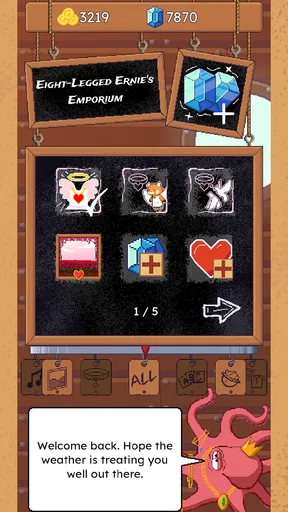
The game is free, which makes trying it low-risk, but it includes optional in-app purchases ranging from $0.99 to $99.99 per item. That wide span is worth keeping in mind before you begin. I would approach the free entry point as a chance to decide whether the puzzle loop and presentation suit you, then review any purchase carefully rather than assuming every paid option is necessary for a satisfying experience.
It is suitable for Everyone, so the concept is easy to share across a household. Parents can feel comfortable considering it as a casual word game, while older players may appreciate the quiet archaeological theme. The age rating does not guarantee that every puzzle will match every reading level, though. Younger players may need help with unfamiliar words, and adults who want advanced vocabulary challenges should pay attention to whether the difficulty feels demanding enough.
The current version is 1.2.2, and the game runs on Android 7.0 or later. That makes it accessible to people using older compatible Android devices, although performance and screen comfort can still depend on the individual phone or tablet. I would keep enough free storage for normal app operation and check that the display gives the letters plenty of room. Small text can turn a relaxing word puzzle into unnecessary eye strain.
Because the game is relatively new, released on January 31, 2026, I would also treat it as a title that may continue to find its shape. That can be positive: early players may get to experience its development over time. It can also mean that expectations should remain grounded. If you need a huge library of established content and years of refinement, a long-running word-game series may be the safer choice.
Who should make room for it, and who should pass?
I would recommend Word Age to someone who wants word puzzles with a recognizable atmosphere, especially if ordinary letter games feel visually interchangeable. It is a good companion for short breaks, quiet evenings, and moments when you want something mentally active without the pressure of a timer-heavy arcade format. The archaeological setting gives the sessions a gentle sense of purpose.
I would be more cautious about recommending it to players who need a strong competitive layer, a detailed story, or a highly specialized vocabulary curriculum. Those players may be happier with a crossword platform, a multiplayer word battle, or a language-learning course. The game’s value comes from its blend of accessible wordplay and mood, not from trying to dominate every part of the genre.
It is also not the right choice if you dislike themed interfaces or want a completely stripped-down puzzle board. Some people find that presentation helps them settle into a session; others want every decorative element removed so they can focus on solving. I would place Word Age firmly with the first group. Its identity matters, and removing that identity would leave a less distinctive experience.
My final view of the expedition
What stayed with me was the consistency between the game’s subject, visual direction, sound, and pacing. The archaeological idea gives the word puzzles a reason to feel like stages in an expedition, while the measured rhythm leaves room to think. The mechanics remain the main attraction, but the setting makes them easier to return to than a completely anonymous puzzle list.
There are sensible limits. This is not a substitute for a deep adventure game, a comprehensive crossword library, or a structured learning platform. The free model also deserves attention because optional purchases can become meaningful depending on how they are presented during play. Still, those caveats do not undermine the basic experience when your goal is a friendly, themed word challenge.
My recommendation is to try it if you want a calm mental break with more character than a standard word grid. Give the puzzles time, use short sessions, and judge the atmosphere alongside the answers rather than expecting a full archaeological story. The strongest reason to play is the way its expedition mood turns ordinary word solving into a small act of discovery. For me, that is enough to make this free game from Night Owl Productions worth considering, particularly for players who value a coherent mood as much as the mechanics.
Pros
- Relaxed word puzzles suitable for short or extended play sessions.
- Exploration theme gives progression a more rewarding sense of purpose.
- Helpful hints can prevent difficult boards from becoming frustrating.
- Simple controls make the game accessible to a broad range of players.
- Offline play is convenient when traveling or away from a connection.
Cons
- Some puzzles may feel repetitive after extended play.
- Later levels can depend heavily on using hints or trial and error.
- Ads may interrupt the experience
- depending on the version installed.
- Players seeking fast-paced action may find the gameplay too slow.
- Progression can feel limited once the main word challenges are completed.
FAQs for Word Age: The Grand Expedition
What is Word Age: The Grand Expedition?
Word Age: The Grand Expedition is a word puzzle adventure that combines classic word-building gameplay with an exploration theme. Players form words from available letters, complete level objectives, and progress through different locations as part of a larger journey. The game is designed for casual play, making it suitable for short sessions or longer periods of relaxed puzzle solving.
How do you play Word Age: The Grand Expedition?
Each level presents a group of letters that you use to create valid words. Completing the required words or objectives allows you to advance through the expedition and unlock additional stages. The difficulty generally increases as you progress, so recognizing common word patterns, trying different combinations, and using available hints can become important when a puzzle is particularly challenging.
Is Word Age: The Grand Expedition free to download?
Word Age: The Grand Expedition can generally be downloaded without an upfront purchase, although the exact availability and pricing may depend on whether you are using Android or iOS. Like many free-to-play puzzle games, it may include optional purchases for hints, boosters, or other in-game resources. Check the store listing before downloading for current pricing, advertisements, and purchase information.
Can Word Age: The Grand Expedition be played offline?
Many of the core word puzzles may be playable without a continuous internet connection, which is useful when traveling or when mobile data is limited. However, some features may require an online connection, including advertisements, purchases, progress synchronization, updates, or certain bonus content. It is best to launch the game online at least once and test offline access on your device.
Is Word Age: The Grand Expedition suitable for children and language learners?
The game can be a useful choice for players who enjoy vocabulary challenges, including older children, teenagers, and adults. It encourages spelling, word recognition, and flexible thinking, but the appropriate age depends on the child’s reading ability and the vocabulary used in later levels. Parents should also review advertising and optional in-app purchases before allowing younger players to use it.


